Investing in World Models: Why Tech Giants Bet Billions

Tech giants are investing in world models for four reasons: language models are running out of new text, robotics needs a brain, simulation is cheaper than reality and open models win platforms. Each reason is a strategic bet on where AI goes after chatbots.
If you have watched the billions pour in and wondered whether any of it matters to a business your size, the strategy behind the bets tells you more than the headlines. Our guide to AI world models and the next wave of AI profiles the players. This piece explains why they are playing.
Reason 1: LLMs Are Running Out of New Text
Large language models learn from human writing. That supply is finite. Researchers at Epoch AI estimate the usable stock of public human text at around 300 trillion tokens and expect models to use it up between 2026 and 2032.
Industry leaders have noticed. At NeurIPS in December 2024, OpenAI co-founder Ilya Sutskever compared training data to fossil fuel and warned that 'we have but one internet', as The Decoder reported.
Epoch AI name learning from other kinds of data as one route forward. Video, images and sensor readings are exactly what world models consume.
The physical world is the biggest untapped dataset
NVIDIA trained their first Cosmos models on '9,000 trillion tokens from 20 million hours' of real-world interaction, industrial, robotics and driving data.
Video tokens and text tokens are not directly comparable. Even so, that figure is 30 times Epoch AI's estimate for all usable public text. Meta trained V-JEPA 2 on more than one million hours of video.
In our view, this is the core of the bet. The physical world offers far more fresh data than the written web.
Reason 2: Robotics Needs a Brain
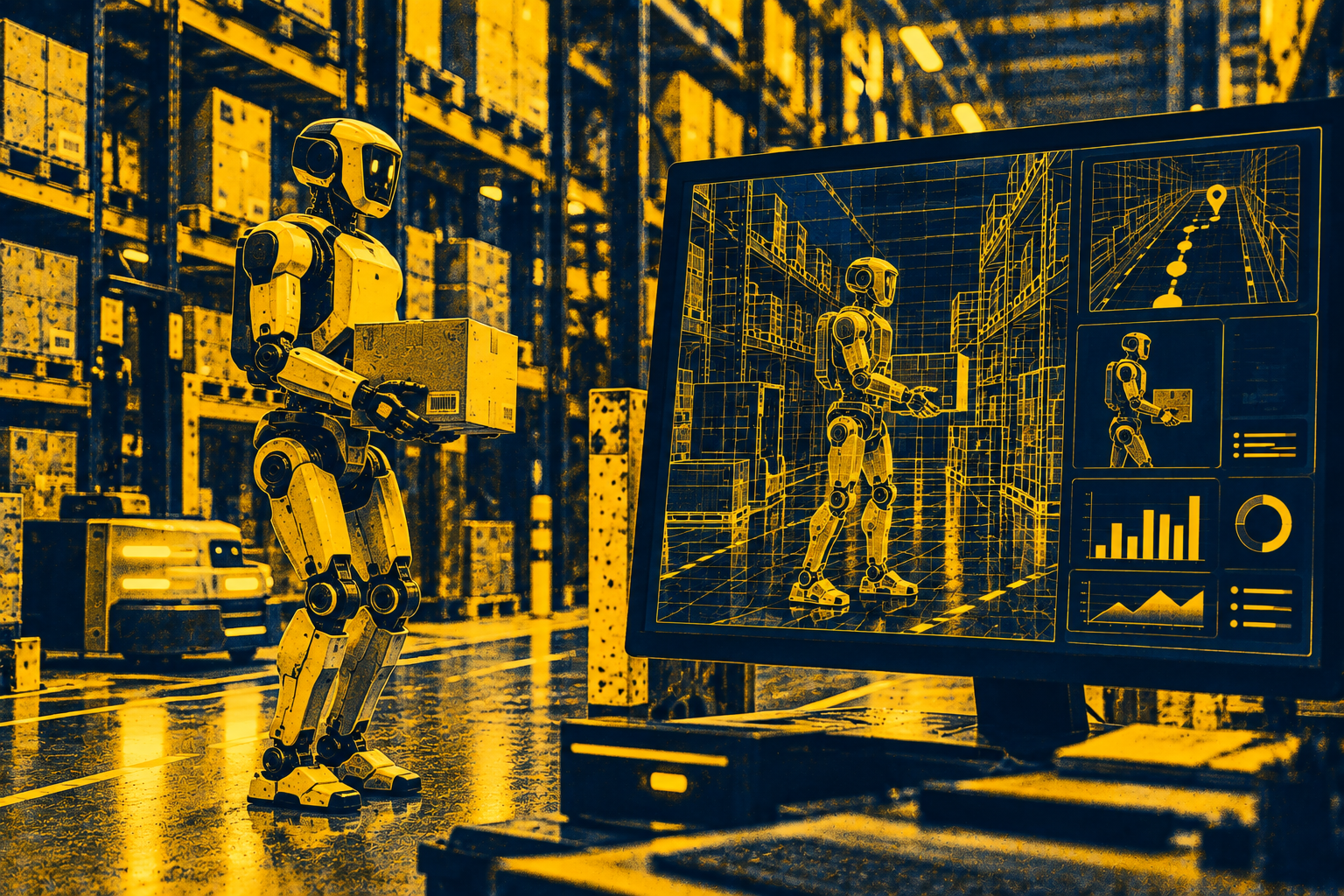
When NVIDIA launched Cosmos in January 2025, founder Jensen Huang said 'the ChatGPT moment for robotics is coming'. Robots, vehicles and drones need a model that predicts what happens when they act. World models provide exactly that.
Investors are backing that view with money. According to Forbes, venture investors committed more than $3 billion to world model startups in the first half of 2026 alone, including a $1.03 billion seed round for Yann LeCun's AMI Labs.
We see a familiar pattern here. Whoever supplies the standard brain for robots could hold the position Windows held on PCs and Android holds on phones.
Reason 3: Simulation Is Cheaper Than Reality
Collecting real-world training data is slow, expensive and sometimes dangerous. Nobody wants to crash a thousand cars to teach a system about rare accidents.
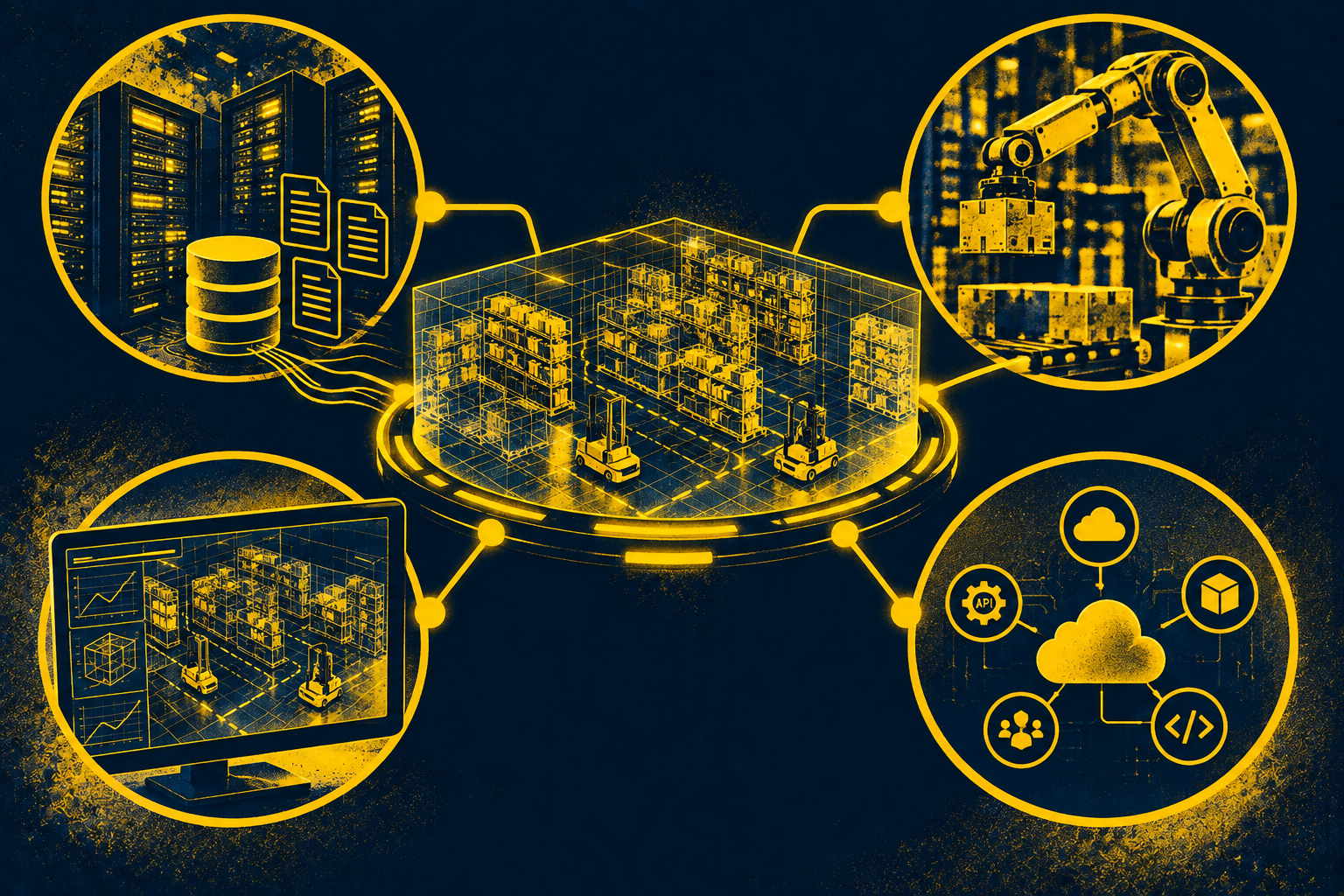
World models solve that with synthetic data. NVIDIA built Cosmos to generate 'photoreal, physics-based synthetic data' so developers avoid costly real-world collection. The same launch said Wayve were evaluating it to find rare driving scenarios for safety testing.
Why investing in world models cuts training costs
Google DeepMind describe world models as a way to train AI agents in 'an unlimited curriculum of rich simulation environments', in their Genie 3 announcement. Once a simulation exists, each extra scenario costs little to generate. As a result, labs that own a strong world model can train robots faster and cheaper than rivals who rely on real-world data alone.
Reason 4: Open Source Wins the Platform
NVIDIA give Cosmos away under a permissive open licence that allows commercial use. Cosmos models have passed 10 million downloads on Hugging Face. Meta also released V-JEPA 2 code and checkpoints for commercial and research use.
Why give away a model that cost a fortune to build? In our view, NVIDIA profit from what comes next. The Cosmos 3 announcement points developers to NVIDIA DGX Cloud for training and NVIDIA NIM microservices for deployment.
Free models pull developers in and paid infrastructure keeps them. It fits a wider strategy we covered in how NVIDIA are winning the entire AI race.
Is Investing in World Models a Bubble?
The obvious objection is valuation. AMI Labs raised what Forbes call the largest seed round in European history before releasing a commercial product. The same report lists several startups valued in the billions on early technology.
Some of these bets will fail. However, in our view the four drivers behind them are structural. Text data will not grow back, robots will need a predictive brain and simulation will stay cheaper than reality.
SMEs Should Avoid Platform Lock-In
For SMEs, the lesson sits in Reason 4. Platform owners want you building on their stack. Switching gets harder the deeper you go.
If you sit at the Committed stage of the AI confidence journey and are planning your next phase, build that plan around business problems rather than any single vendor's platform. We took that approach with a Midlands manufacturer, starting their predictive maintenance project with an AI Roadmap that evaluated existing production line data and identified priority equipment.
In practice, that means three checks before any AI purchase. Can you export your data, can you switch models without rebuilding and does the tool solve a problem you have already measured?
As we do not sell software, our advice stays independent of whichever platform wins.
Frequently Asked Questions
Why are tech companies investing in world models?
They need new data beyond text, a brain for robots, cheaper training through simulation and platforms that lock in developers. World models serve all four goals at once.
How much money is going into world models?
Forbes report that venture investors committed more than $3 billion to world model startups in the first half of 2026. That excludes the internal spending of Google, NVIDIA and Meta.
Are world models open source?
Some are. NVIDIA Cosmos and Meta V-JEPA 2 are openly available for commercial use, while Google DeepMind have not released Genie 3 as an open model.
Plan Around the Bets
Tech giants investing in world models are building platforms for the next decade of AI. Your plans should stay free to use the best of them. Book an AI Roadmap to get a practical, phased plan showing where to start, what it will cost, the risks and how to manage them.