AI Services Cost: What SMEs Need to Know
%20(1).png)
AI services cost is one of the most misunderstood topics in business right now, and that misunderstanding is costing companies money. Before you commit budget to any AI platform, tool or subscription, you need to understand what is happening to the economics of AI at scale.
The AI Spending Problem Nobody Is Talking About
The companies building AI are spending at a rate that defies conventional business logic. Microsoft, Google and Anthropic are collectively investing hundreds of billions into AI infrastructure, data centres and model training. According to reporting by the BBC, the scale of this investment is unprecedented. What is striking is that the revenue these companies generate from AI products does not yet come close to covering those costs.
This matters to you as an SME because the pricing you see today for AI services is almost certainly subsidised. The platforms are buying your adoption now, and the commercial reckoning comes later.
Why AI Services Cost More Than the Subscription Price Suggests
When a business signs up to an AI platform, the invoice is just one part of the true cost. There is also implementation time, staff retraining, workflow disruption and the ongoing cost of managing outputs that are not always reliable. Research from McKinsey consistently shows that AI projects without a clear strategy deliver poor returns. The headline subscription fee obscures a much larger commitment.
This is precisely why an AI roadmap is not a luxury for SMEs. It is the difference between controlled investment and runaway spend.
Is the Current AI Business Model Sustainable?
No. Not in its present form. The largest AI providers are operating at enormous losses on their consumer and business products because they are racing to establish dominance. The AI as infrastructure dynamic means costs are being deferred, not eliminated.
For SMEs, this creates a specific risk. Pricing will change. Features that are free today will sit behind paywalls tomorrow. Platforms that look affordable in 2025 may look very different by 2027. Businesses that have built critical workflows around a single provider will have little leverage when that happens.
The smarter approach is to build AI capability inside your business, not dependency on any single external platform.
What Happens When Subsidised AI Pricing Ends
History gives us a reliable guide here. Cloud computing followed a similar pattern. Early pricing was aggressively low to drive adoption. As dominance was established, pricing consolidated upward. Businesses that had built deeply around one provider found switching costs prohibitive.
AI is following the same curve, and it is doing so faster. Understanding this now, while you still have strategic flexibility, is one of the most commercially valuable things an SME leader can do.
How Much Should an SME Actually Spend on AI?
This is the question most business owners ask first, and it is the wrong question to lead with. The right question is: which problems in your business would genuinely benefit from AI and what is the cost of not solving them?
An AI readiness assessment gives you that answer before you spend a pound on tooling. It identifies where AI creates measurable value and where it simply adds noise and cost. Jon Rew, Managing Director of Scimitar Sports, put it well after completing the assessment: 'We learned a lot from the AI Readiness Assessment, which is surprising as it didn't take long to complete. The report highlighted things that were likely costing us money and they were.'
That insight, arrived at before significant spend, is exactly the kind of commercial clarity SMEs need.
The Hidden Costs SMEs Consistently Underestimate
Implementation is typically where budgets overrun. Connecting AI tools to existing systems, training staff to use them effectively and managing the quality of outputs all require time and expertise. Our AI training service exists specifically to address this, ensuring that when AI is introduced, teams can use it safely and effectively from day one.
There is also the compliance dimension. As regulation evolves, particularly under the EU AI Act, there are real costs attached to non-compliance. Our AI compliance guidance helps SMEs understand their obligations before they become expensive problems.
What Good AI Investment Looks Like for an SME
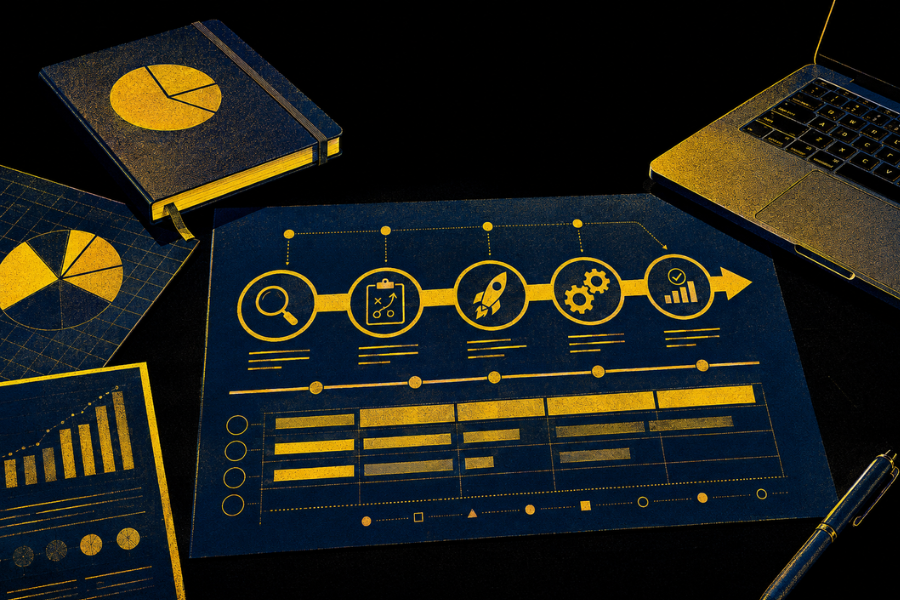
Good AI investment is targeted, phased and tied to specific operational outcomes. It does not mean adopting every tool that lands in your inbox. It means identifying two or three areas where AI genuinely reduces cost or increases capacity, implementing those well and building from there.
Our AI consulting services follow exactly this logic. The process starts with an AI workshop to identify where the biggest impact lies, then moves into a structured roadmap and implementation phase. Every recommendation is independent. We do not sell software. We have no incentive to recommend a platform that does not fit your business.
As the AI market consolidates and pricing structures shift, the businesses that will come out ahead are those that invested in strategy first and tooling second. The cost of getting this wrong is not just the subscription fee. It is the switching costs, retraining costs and lost time that follow a poor decision made in haste.
Frequently Asked Questions
How much do AI services typically cost for a small business?
Costs vary enormously depending on the tools and level of implementation involved. Subscriptions can range from tens to thousands of pounds per month. However, the full cost includes implementation, training and ongoing management, which often exceeds the licence fee itself.
Why are AI companies spending so much money?
The major AI providers are investing heavily in data centres, model training and infrastructure to establish market dominance. These costs far exceed current revenues, meaning current pricing is effectively subsidised to drive adoption.
Will AI service prices go up?
Almost certainly over time. Current pricing reflects a land-grab phase in the market. As platforms consolidate and investment costs are recovered, pricing will likely increase. Businesses that build strategic flexibility now will be better placed to adapt.
Do SMEs need an AI consultant to adopt AI cost-effectively?
Not always, but the data suggests that unguided AI adoption produces poor returns. An independent consultant helps you avoid costly mistakes, prioritise the right use cases and build capability that actually sticks. – The question of AI services cost is not going away. As the economics of the AI industry come under increasing scrutiny and subsidy-era pricing begins to shift, SMEs that approach AI with clarity and a structured strategy will be far better protected than those chasing the latest tool. Start with an AI roadmap and build with purpose.
Ready to understand what AI should actually cost your business? Take our free AI readiness assessment and get clarity before you commit a single pound.